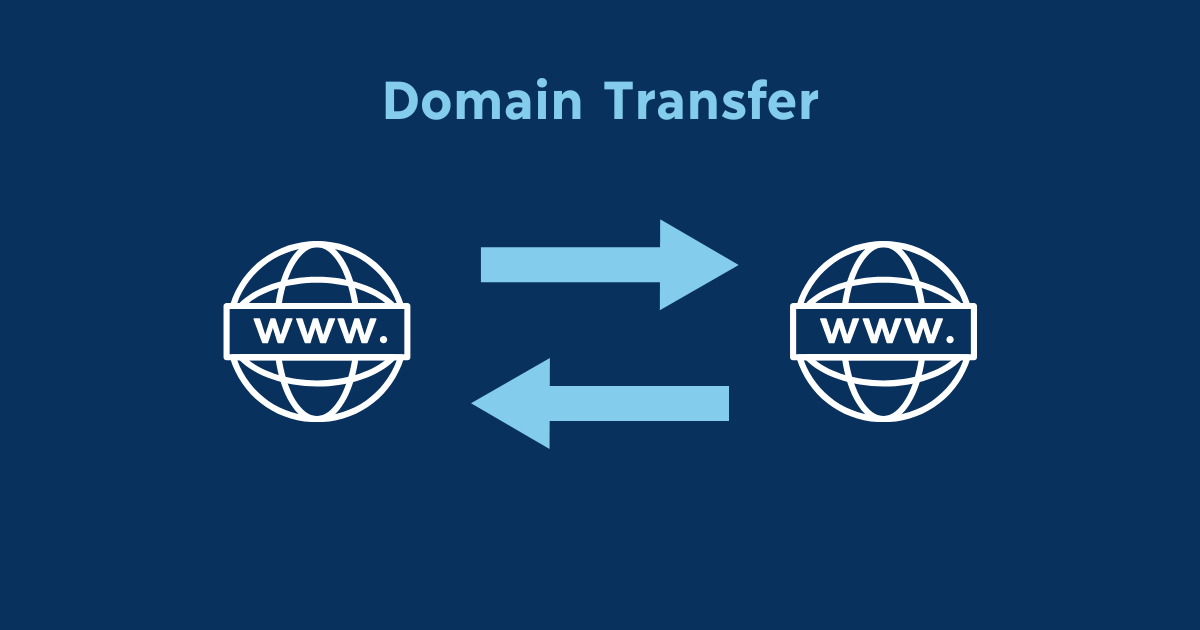
Want to take your online presence to a new host? The process of transferring your domain name is usually straightforward, and can often be completed in just a few steps. Here's a detailed guideline on how to transfer your domain name:
- First verifying your domain name's registration status.
- After that, collect the necessary information from your current domain manager, including your account details and EPP key.
- Select a new domain registrar where you'd like to transfer your domain.
- Start the transfer process through your new registrar's control panel. You'll need to provide your domain name, EPP code and other required information.
- Approve the transfer request with your current registrar.
- Once the transfer is processed, your domain name will be registered with your new provider.
Securing a Domain Name: The Complete Process
Shifting your domain name to another platform can sometimes offer benefits like improved pricing. While the process is generally straightforward, understanding the steps involved ensures a smooth transition. First, you'll need to collect your current domain registration information, including your account credentials and EPP code. Next, compare different registrars and choose one that satisfies your needs. Once picked, initiate the transfer process through their interface, providing the necessary domain details and payment information. Your existing registrar will then forward an approval email to the registered contact for your domain. Click the button within the email to consent the transfer. Finally, give time for the transfer process to complete, which usually takes up to a week.
- Keep in mind
- domain extensions like .com, .net, and .org have varying transfer procedures.
Transferring Your Domain: Advantages & Points to Ponder
Thinking about migrating/transferring/moving your domain name? It's a decision that can significantly/materially/positively impact your online presence. While there are clear/undeniable/evident benefits to be gained/achieved/realized, it's important to carefully consider the factors/aspects/elements involved before making the leap.
- One benefit of domain migration is the potential/ability/opportunity to enhance/improve/upgrade your website's performance and security.
- Furthermore, migrating your domain can provide/offer/grant you more control/flexibility/options over your online identity/brand/presence.
- However, the process can also be complex/involved/demanding and require/necessitate/demand careful planning. It's crucial to research/investigate/explore different domain registrars and understand/grasp/comprehend the technical/operational/logistical aspects of the migration process.
By considering both the benefits and considerations, you can make an informed/educated/sound decision about whether domain migration is right for your needs.
Migrate Your Domain Name
There are a number of reasons why you might want to transfer your domain name. Perhaps you're looking for a better registrar with affordable prices and fantastic customer support. Maybe you're frustrated with your current registrar's services. Or, it could be that you simply desire to consolidate your online presence by overseeing all of your domains in one spot. Whatever the reason, transferring your domain name can be a straightforward process.
- Moving your domain can often produce cost savings.
- Another registrar might provide additional features and tools that you value.
- Enhanced customer service can make a real difference
Seamless Domain Transfers Completed Easy
Transitioning your domain to a new registrar shouldn't be a hassle. We offer a streamlined process that simplifies the entire experience. With our user-friendly interface and dedicated support team, you can confidently transfer your domain ownership without any downtime or disruptions. Our expert technicians will guide you through each step, ensuring a frictionless transfer that meets your needs.
Say goodbye to complicated procedures and hello to a hassle-free domain transfer experience.
Let us manage the technicalities while you focus on what matters most – growing your online presence. Contact us today to get started!
Unlocking the Power of Domain Transfers
In the dynamic realm of online presence, a domain name serves as your digital address, crucial for establishing brand recognition and guiding users to your website. Transferring your domain can sometimes be a strategic move to optimize your online strategy. Whether you're seeking enhanced control over your domain, exploring new hosting options, or simply updating your brand identity, understanding the intricacies of domain transfers can empower you to make wise decisions for your online success.
- Transferring your domain can often be a seamless process when executed with careful planning and adherence to best practices.
- By grasping the technical aspects involved, you can minimize potential disruptions to your website's functionality and user experience.
- Additionally, exploring different domain registrars can uncover opportunities for cost savings or specialized services that align with your specific needs.
Embarking on The Ultimate Guide to Domain Name Transfers
Relocating your online presence to a new registrar can seem daunting, but it doesn't have to be. This comprehensive guide will walk you through the essentials of domain name transfers, empowering you to make a smooth transition with.
- First, you'll need to understand the process involved in transferring your domain. This includes acquiring the necessary information, such as your domain name, current registrar details, and authorization code (Epp).
- Next, you'll need to choose a new registrar that satisfies your needs. Consider factors like pricing, customer service, and the range of tools they offer.
- After selecting a new registrar, you can initiate the transfer process by providing your domain name, authorization code, and other required information.
- Throughout the transfer process, you'll receive updates from both your current and new registrars. It's important to track these communications to ensure a smooth transition.
Ultimately, transferring your domain name can be a straightforward process if you follow the steps outlined in this guide. With a little preparation and attention to detail, you can migrate your website to a new registrar without any major problems.
Domain Transfer Best Practices
When shifting your domain name to a fresh registrar, it's crucial to follow best practices to ensure a frictionless process. First, verify the accuracy of your domain's contact information with your current registrar. Next, request an authorization code from your existing provider. This code is essential to initiate the transfer process with the new registrar. Before completing the transfer, examine the terms and conditions of the destination registrar carefully.
- Bear in mind to update your domain's DNS records after the transfer is complete.
- Track your domain's uptime closely during and after the transfer process.
- Communicate to both your current and target registrars if you encounter any challenges.
Transferring Domains: A Beginner's Handbook
Taking control of your online presence often involves shifting domains. This process can seem daunting at first, but don't worry! This comprehensive guide will walk you through the steps involved in securing a new domain name and moving your existing website to it. We'll cover everything from choosing the right registrar to configuring your DNS settings, ensuring a smooth transition for your online assets.
- Begin with understanding your current domain's registration. This includes identifying your host and the expiration date.
- Research different domain registrars to discover one that fulfills your needs in terms of pricing, support, and features.
- Initiate the transfer process with your new registrar by providing the necessary information about your existing domain name.
Throughout the transfer period, you may experience temporary downtime or changes to your website's functionality. We'll provide strategies on how to minimize disruption and ensure a seamless transition for your visitors.
Migrate Your Domain Securely With These Tips
Moving your domain can be a daunting task, but with the correct precautions, you provide a smooth and secure transition. Before you start, meticulously review your registration information. Determine your current DNS settings, backup your important files, and familiarize the process for updating your domain name servers.
- Deploy strong authentication measures including two-factor authentication to secure your account.
- Choose a reputable and reliable domain registrar with a history of success.
- Monitor your domain's activity closely after the migration to guarantee everything is functioning as expected.
Optimal Domain Transfers for a Smooth Shift
When transitioning your online presence to a new domain, smoothness is paramount. A well-executed domain transfer promotes minimal disruption to your website and its visitors. This involves meticulous planning, utilizing the best tools, and following a clear methodology. By adopting these strategies, you can guarantee a seamless experience for both you and your audience.
Moreover, a successful domain transfer includes carefully configuring DNS records, migrating website content, and communicating your users about the change. A comprehensive understanding of these steps is crucial for a timely and flawless transition.
- Focus on careful planning and research to identify the optimal transfer method for your needs.
- Utilize reliable domain registration services known for their efficiency.
- Guarantee all DNS records are correctly configured after the transfer to avoid any website downtime.
Troubleshooting Common Domain Transfer Issues
Moving your domain name to a alternative registrar can sometimes present unexpected obstacles. If you're facing issues during the transfer process, don't fret. Here are some common issues and how to fix them:
* **AuthCode Retrieval:** Your current registrar needs to provide an authorization code. Reach out to their support team to request it.
* **DNS Propagation:** It can take up to 48 hours for DNS changes to fully propagate. Be persistent and allow time for the changes to become active.
* **Domain Lock:** Some registrars lock transfers to protect your domain. You may need to release this lock with your original registrar.
* **Incorrect Information:** Double-check that all the data you provide during the transfer, like your email address and contact information, is correct.
Moving Your Domain Name: Frequently Asked Questions
Thinking about switching your domain name to a new registrar? It's a common process, but you may have some questions. This FAQ covers the essential steps about domain name transfers, aiding you through each stage.
First, know that you'll need your current registrar's unlock code. This specific code grants permission to transfer your domain. Once you have it, pick a new registrar and initiate the transfer process through their website.
Remember that transfers can take a few days to complete. During this time, your domain name will remain active. You'll receive updates from both registrars when the transfer is successful.
- What are the reasons for|transfer my domain name?
- What if issues occur during the transfer process?
- How do I find a reputable registrar?
Understanding the EPP Code in Domain Transfers
When transferring a domain name between registrars, you'll come across an EPP code. This EPP code, which stands for Extended Protocol Profile, is essentially a unique identifier specific to your domain. It acts as a key to unlock the transfer process, ensuring that only the legitimate owner can initiate the move. Your existing registrar will typically provide you with this code when prompted.
Understanding the role of the EPP code is crucial for a successful domain transfer. Without it, the transfer process will be halted. So, make sure to acquire this code from your current registrar before starting the transfer procedure with your new registrar.
Transferring Domain Registrars
When it comes to moving your domain name to a different registrar, there are several factors you should consider. One key aspect is the ease of the migration process itself. Some registrars make this simple, while others can be tricky. Look for a registrar that offers a intuitive interface and thorough instructions throughout the transfer process.
Another crucial factor to consider is the fee of the transfer. Examine the costs for different registrars, as they can range considerably. Don't forget to factor in any hidden fees that click here might be relevant.
- Furthermore, consider the level of customer support offered by each registrar. In case you encounter any difficulties during the transfer, having reliable customer help readily available can be highly beneficial.
Moving Your Domain Name: Finding the Optimal Moment
When it comes to updating your domain name, timing is everything. Selecting the right moment can make a significant effect on the smoothness of the transfer process and minimize potential challenges to your website's availability. Consider factors such as website traffic, upcoming events, and maintenance windows to identify the most suitable time for a domain transfer.
- Analyze your website's traffic patterns to discover periods of lower activity. This can help limit any potential interruptions during the transfer process.
- Schedule your domain transfer with any planned website maintenance or updates to combine tasks and improve efficiency.
- Notify your users about the upcoming domain transfer in advance. This can help manage any confusion or uncertainty they may have during the transition period.
Impact of Domain Transfers on Website SEO
Shifting your website's domain can significantly alter your search engine optimization (SEO) standing. While a new domain might offer fresh branding opportunities or URL structure improvements, it also entails challenges for crawlers and users accustomed to your former address. Search engines may need time to update your site on the new domain, potentially leading to a temporary drop in rankings.
To reduce this impact, ensure you execute proper 301 redirects from your old domain to the new one, notifying search engines about the change through tools like Google Search Console. Continuously analyze your SEO performance after the transfer and make necessary adjustments to your on-page and off-page strategies to ensure a smooth transition.
Delve into the Benefits of Transferring Your Domain to a New Registrar
Thinking about moving your domain name to a alternative registrar? There are several possible benefits to consider. A new registrar could offer budget-friendly fees, giving you more flexibility in your budget. You might also uncover superior support and a wider selection of features tailored to your requirements. Furthermore, transferring your domain could streamline your online presence by centralizing your domain management with other services you might already use.
- Gain competitive pricing options.
- Access a broader range of features to enhance your website.
- Receive improved customer support and assistance.
- Simplify your online presence by managing your domain with existing services.
Moving Your Domain : Avoiding Common Pitfalls
Relocating your domain name to a new registrar can improve your website's performance and offer better features. However, this process demands careful planning to avoid potential issues. A common mistake is failing to double-check the accuracy of your domain's transfer details before initiating the transfer. Additionally ensure you have the permission from the present registrar to proceed with the transfer.
- Stay aware of any costs associated with transferring your domain, as these can change between registrars.
- Save your website's files and database before initiating the transfer to prevent data loss in case of unforeseen circumstances.
- Monitor the transfer process closely, as you may need to confirm ownership through email or other techniques.
By adhering these guidelines, you can successfully transfer your domain and confirm a seamless transition for your website.